My story of Myotonic Dystrophy
I was diagnosed as having Myotonic Dystrophy in the Spring of 2012. The year the Olympics came to London. The year I was told some symptoms were not just "me getting older". I was 36.
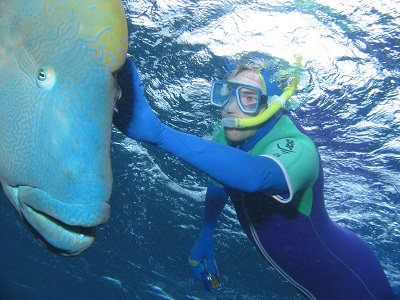
I did not think I had Myotonic Dystrophy. Only a year earlier I had applied to run the London Marathon (wasn't chosen). I was seriously looking into trips to the Antarctic to complete all 7 continents on Earth visited. I had a 1-year-old son. I could easily walk the 2 miles into town. I had an active life. How could I possibly have Myotonic Dystrophy?
But my sister had been diagnosed. And then my mother. I thought I should get checked as well. Just to confirm I was ok and did not have any problems. The day the results came in, I went to the doctor who cheerfully told me I had Myotonic Dystrophy. There was no doubt.
That was the second everything changed.
I had just been told I had an incurable condition that would gradually worsen for the rest of my life.
At first, I thought Myotonic Dystrophy would not affect me too much. I was still mobile. I could still walk and even run (albeit slightly slower than before). I would be alright. It affects people differently, even within the same family. I clung to this hope.
More than a decade has now passed. A blink of an eye in some respects. In others it is a lifetime ago.
Living with Myotonic Dystrophy Today
There are both visible and invisible symptoms of Myotonic Dystrophy. Visibly, my arms and legs are much thinner due to muscle wasting. This has led to extreme pain, especially in my legs. Walking any distance is now a challenge and even standing for long periods can be difficult. As my condition has worsened, I have, very reluctantly, agreed to use a wheelchair for days out. I have also had to invest in a stair lift, as walking up and down stairs is no longer feasible. Another visible symptom has been hair loss. From having thick, flowing brown hair, I am now almost completely bald.
There are other, less visible, symptoms of Myotonic Dystrophy. For me, I suffer from regular, acute stomach pain. I need to be careful of what I eat and how much.
I have to have my heart tested every single year. That's kind of an important muscle, so it needs to be monitored for any problems.
Fatigue is the big one. It is not simply a case of needing more sleep. A quick power nap does not help.
I can get tired very easily and quickly. Evening socialising can be a challenge. It is akin to being constantly under the weather. A little jaded. An invisible but constant part of the condition.
During Covid I was placed on the priority list for the vaccine as my immune system is compromised. I got double jabbed really early! Thanks NHS.
In summary, having Myotonic Dystrophy is a fucking nightmare.